

What Happens To Animals Who Don't Get Adopted
Consider this parable almost "no-impale" policies: You're walking side by side to a river and you run across a kitten floating past. You leap in and save the kitten. Then another one floats by, then you lot save that one, too. So some other and another and another bladder past, and you soon realize that y'all can't save them all. So you run upstream to encounter who'southward throwing kittens into the water—and you terminate that person.
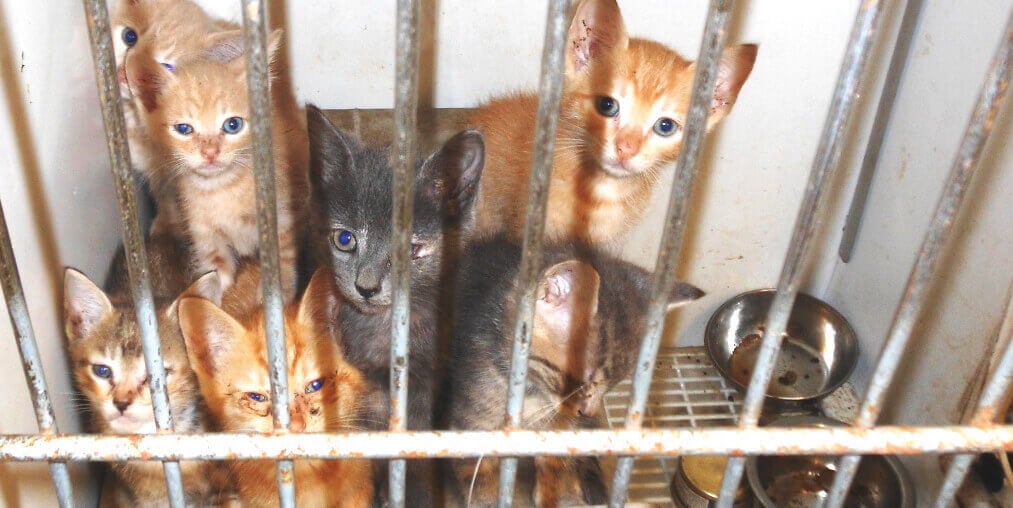
Thousands of unwanted, abandoned, neglected, and stray animals cascade into animal shelters across the state every day—far outnumbering the skillful homes available to take them in. But instead of "going upstream," i.east., instead of working to address the source of the problem, which is the runaway animal nativity rate, people are being pressured into focusing on the symptoms. We tin can end the bike of animate being births, homelessness, and deaths, only we must address the root cause instead of flailing in the water, pulling out ane kitten at a time while so many others float by, and screaming that others in the h2o with us aren't saving plenty kittens.
IS 'RESCUE' Work FIXING THE HOMELESS-ANIMAL CRISIS?
Finding homes for needy dogs and cats is gratifying, but to use another apt illustration, it's like bailing out a sinking ship with a teaspoon: The boat will still go downwardly unless we set the gaping hole in the bottom. Finding a habitation for one domestic dog may salvage i life, just sterilizing one dog will save hundreds, if not thousands, of dogs' lives past preventing generations of potentially homeless puppies from existence built-in. Getting a spay/neuter constabulary passed saves even more than lives. Stopping the problem at its source is where our time, energy, and funds are needed nearly. That is how we tin drastically reduce—and hopefully stop—the homeless-animal crisis and the need for euthanasia.
Many groups striving to go "no-kill" utilize limited resources to provide temporary care; ship dogs and cats across the country (fifty-fifty though every state struggles with the same crunch); shut their doors to the neediest animals—those who are in danger of abuse or are injured, sick, elderly, or aggressive; and even attack open-admission shelters that must euthanize animals.
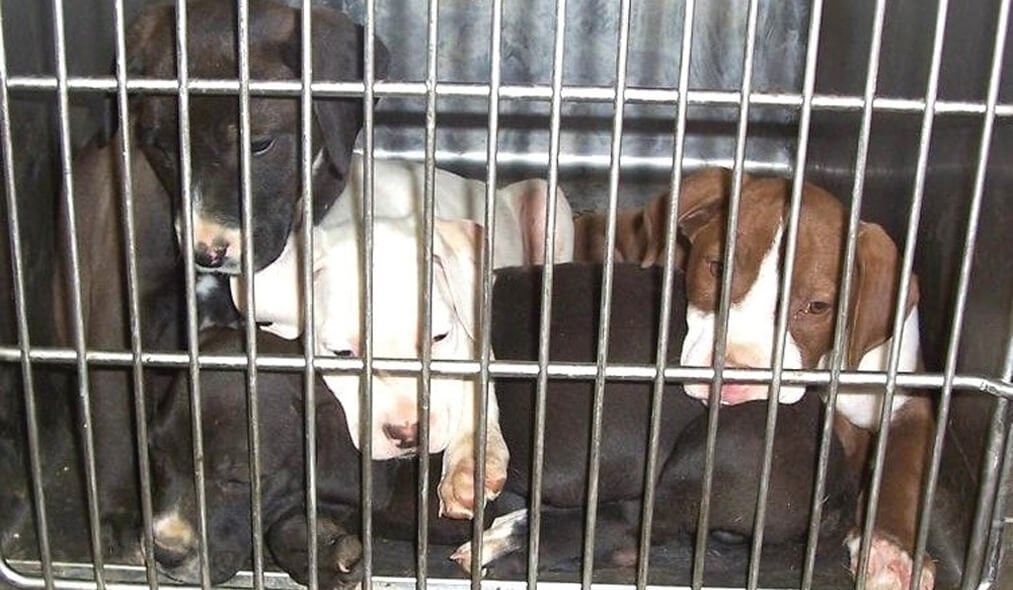
"No-kill" rhetoric lets the existent culprits of the overpopulation crunch—greedy breeders and the "pet" trade—off the hook and keeps them laughing all the way to the banking concern. We must identify and support ads that tell the truth: that breeders and pet shops are the ones that kill … shelter dogs' chances of finding a home.
THE DEADLY CONSEQUENCES OF 'NO-KILL' POLICIES
It's bloodcurdling to contemplate, only when shelters requite in to pressure level to go "no-kill" before they have overcome the breeding and selling of animals in their communities and before establishing sufficient spaying and neutering services, the results are often far worse for animals than a peaceful death through euthanasia. Hither'southward what happens:
- Animals are turned away at the shelter door, but they don't magically vanish. "No-impale" shelters are usually at capacity, so they finish taking in animals, including those in emergency or abusive situations. As only one case, someone turning three dogs in to an open-access shelter in Mississippi told a reporter, "It was either that or shoot them."
- Animals still die—but in pain.
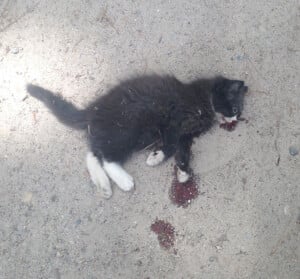 Instead of a peaceful death in a caring person'due south arms, animals die slowly and in agony on the streets, in backyards, under sheds, on bondage, and at the hands of abusive people. In San Antonio, Texas—which is striving to be a "no-kill" city—the bodies of nearly sixteen,000 dogs and nearly 12,000 cats were scraped off the streets and properties in just i year. One animal command officer termed it "euthanasia by proxy." It is likewise condign common for shelters that avowal high "save rates" to accept a heaven-high rate of unassisted deaths in cages and kennels from illness or injuries.
- Animals spend months or years in cages. Experts agree that afterward as little as two weeks in a traditional shelter, animals can begin to deteriorate psychologically and become withdrawn, depressed, anxious, or aggressive. If adopted, animals who have been confined for extended periods are often repeatedly returned because of behavioral issues—a traumatic yo-yo experience that makes them fifty-fifty less adoptable.
-
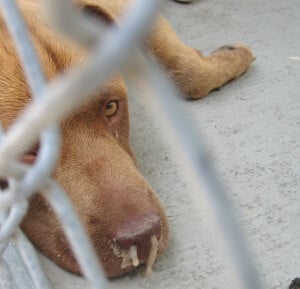 Animals are cast out and keep on reproducing. To increment "save" rates, some shelters promote animal abandonment. 1 big sanctuary recently issued a news release urging Good Samaritans to leave homeless kittens on the streets, rather than taking them to a shelter. That's madness: Not only are abased kittens in danger of infection, affliction, starvation, and being hit by cars, attacked by dogs and wild fauna, and driveling by fell people, the surviving ones will also eventually proceed to reproduce, resulting in fifty-fifty more homeless animals.
 - Animals are handed over to abusers and hoarders. When numbers become the priority, animals are no longer viewed every bit individuals deserving of consideration and respect but instead as inventory that must be moved, causing shelters to toss bated even basic safeguards. Homeless animals are increasingly existence found tortured and killed past adopters who weren't screened or, even more unremarkably, caged in hoarders' filthy basements, garages, sheds, and barns. Every twenty-four hours, headlines appear about raids on self-described "rescuers" and the animals—both sick and dead—who were removed from the cruel and icky conditions in the homes of the "rescuers." When one hoarding facility masquerading equally a "rescue" in San Jose, California, defenseless burn, almost 100 cats burned to death inside carriers, unable to abscond while the plastic melted down on top of them.
COMPANION-Creature HOMELESSNESS: WE CAN End IT
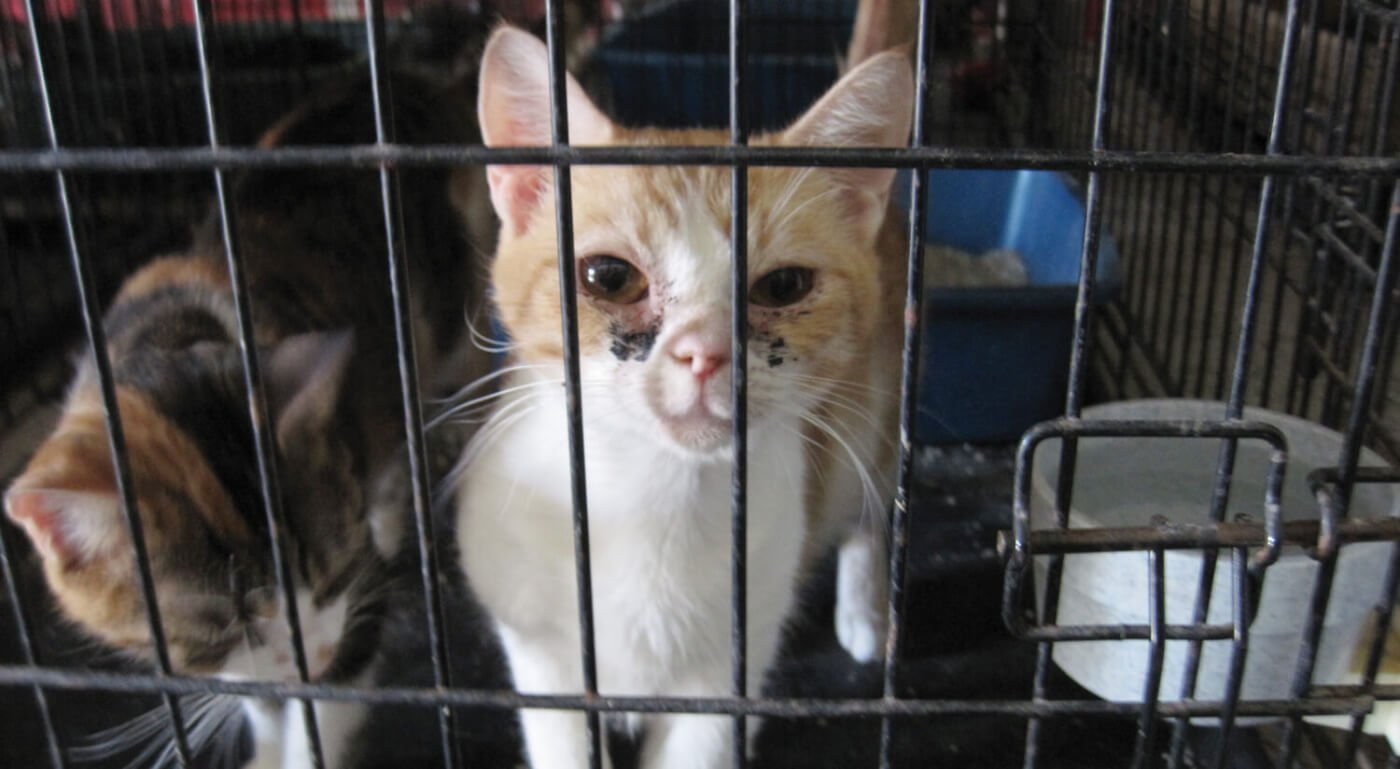
Profiteers that breed and trade animals for a buck are succeeding because the powerful voice of the animal rights motion is being diluted and because good activists are existence misled into attacking ane another rather than those who are making money off the backs of animals: pet shops, breeders, and phony "rescues." We can wipe out animal homelessness by working together to strike at the root cause, including by lobbying for laws that have been proved effective in reducing unplanned births and shelter intakes in communities that enforce them and by developing low-cost or complimentary sterilization programs for dogs and cats in every community. In other words, by stopping animal homelessness earlier it starts.
Source: https://www.peta.org/features/deadly-consequences-no-kill-policies/
Posted by: ritterhoodah.blogspot.com
0 Response to "What Happens To Animals Who Don't Get Adopted"
Post a Comment